
6402 E Superstition Springs Blvd Suite 224,
Mesa, AZ 85206

What Are the Warning Signs That You Might Need to Consider TMS Therapy?
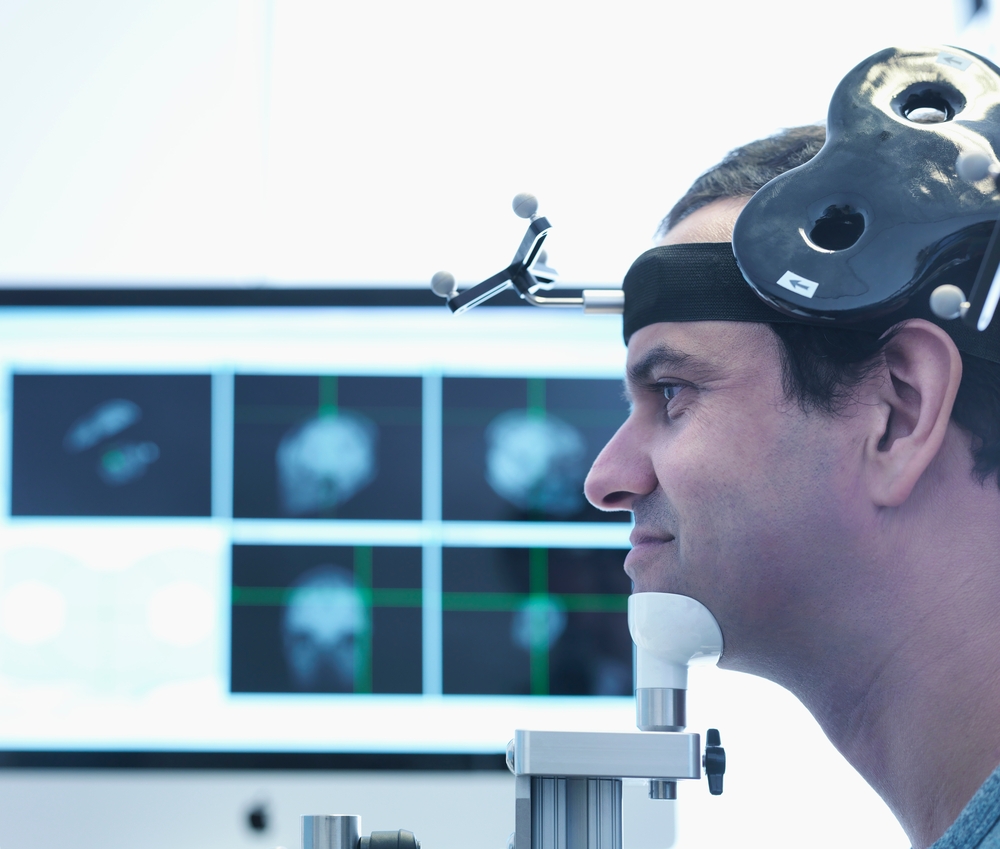
Mental health challenges such as depression, anxiety, trauma-related symptoms, and mood dysregulation can feel overwhelming - especially when standard treatments like medication or talk therapy haven’t provided enough relief. At The Grove Comprehensive Psychiatry and Wellness, we understand that every patient’s experience is unique. For individuals who have not achieved meaningful progress with conventional approaches, Transcranial Magnetic Stimulation (TMS) in Mesa offers a non-medication, evidence-supported next step.
What Is TMS Therapy?
TMS is a non-invasive treatment that uses focused magnetic pulses to stimulate or calm specific neural circuits involved in mood, anxiety, cognition, and emotional regulation. FDA-cleared uses include treatment-resistant Major Depressive Disorder (MDD) and, when using targeted rTMS or cTBS to the SMA, Obsessive-Compulsive Disorder (OCD).
Beyond these indications, TMS is also commonly used in clinical practice for conditions supported by emerging evidence, including:
• Anxiety disorders
• PTSD
• Chronic pain syndromes
• Bipolar depression
• Postpartum depression
All TMS treatments are overseen by board-certified psychiatrists trained in both excitatory and inhibitory neuromodulation. We use multiple evidence-based protocols and neuronavigation-guided targeting to ensure precision, safety, and individualized care.
How TMS Works
TMS delivers focused magnetic pulses that can either increase activity in underactive brain regions or gently reduce overactivity in overstimulated networks, depending on the protocol used. This helps rebalance the circuits involved in mood, anxiety, motivation, and cognitive clarity.
Warning Signs You Might Benefit From TMS Therapy
1. You’re Experiencing Cognitive Fog or Emotional Numbness
Patients may notice symptoms such as cognitive fog, emotional numbness, looping worry, irritability, or loss of motivation. These symptoms often reflect disruptions in neural networks - some underactive, some overactive - that may respond well to excitatory or inhibitory TMS protocols.
2. Your Symptoms Are Interfering With Work, School, Relationships, or Sleep
When daily functioning becomes difficult - struggling to focus at work, withdrawing from loved ones, or feeling unable to complete basic tasks - it may be time to explore more advanced treatment options. These impairments are often signs that the brain’s regulatory systems need support beyond medication alone.
3. Depression Persists Despite Medication
If you've tried multiple antidepressants without significant improvement, you may be experiencing treatment-resistant depression (TRD). TMS is specifically FDA-cleared for this population and can help restore activity in underactive mood circuits.
4. You Cannot Tolerate Medication Side Effects
Side effects like weight gain, fatigue, emotional blunting, or sexual dysfunction cause many people to stop medication prematurely.
TMS is drug-free, non-systemic, and allows patients to pursue treatment without adding unwanted physical symptoms.
5. Anxiety, Hyperarousal, or Sleep Disturbances Are Intensifying
Overactive networks can create cycles of high anxiety, racing thoughts, or insomnia. Certain TMS protocols are designed to calm these circuits, helping restore balance and improve overall quality of life.
6. You Feel “Stuck,” Hopeless, or Unable to Move Forward
If you’ve tried multiple therapies and still feel trapped in your symptoms, TMS may offer the breakthrough you've been seeking.
Many of our patients describe noticing clearer thinking, improved emotional stability, or reduced anxiety within the first week or two, as the targeted neural circuits begin responding to the specific excitatory or inhibitory protocols selected for their needs.
What Makes Our One-Day Accelerated TMS Protocol Unique
Our One-Day Accelerated TMS Protocol for depression provides an intensive series of carefully patterned excitatory or inhibitory sessions in a single day, rather than standard 4-6 weeks. This approach is designed for individuals seeking faster relief, with close physician monitoring to ensure both comfort and optimal clinical outcomes.
Is TMS Safe?
TMS is non-invasive, does not require sedation, and allows you to resume normal activities immediately afterward. Side effects are typically mild, such as brief scalp sensitivity, and protocols are adjusted to provide either activation or calming effects depending on your symptoms.
A Personalized, Evidence-Supported Approach
TMS therapy in Mesa is a non-medication, evidence-supported option for treatment-resistant depression, anxiety disorders, and mood dysregulation. Certain protocols activate underactive mood circuits, while others calm overactive anxiety pathways - allowing for personalized, symptom-focused treatment.
Find Out Whether TMS Is Right for You
To learn whether TMS is right for you, schedule a brief consultation with one of our psychiatrists. We’ll review your symptoms and past treatments to determine whether you would benefit most from excitatory protocols, inhibitory protocols, or a blended approach. We offer rapid-start appointments and individualized treatment plans.
If you’re struggling with ongoing depression, anxiety, OCD, trauma symptoms, or other mental health challenges that haven’t improved with standard care, Transcranial Magnetic Stimulation may be the next step in your healing journey. Contact The Grove Comprehensive Psychiatry and Wellness to schedule a consultation at our office in Mesa, Arizona, by calling (480) 470-3442, or visiting our website to book an appointment.
Quick Links

Treatments &
Therapies

Conditions
We Treat




Hours of Operation
- Monday 8:00AM - 6:00PM
- Tuesday 8:00AM - 6:00PM
- Wednesday 8:00AM - 6:00PM
- Thursday 8:00AM - 6:00PM
- Friday 8:00AM - 1:00PM
- Saturday Closed
- Sunday Closed
© 2026 The Grove Comprehensive Psychiatry and Wellness. All rights Reserved - Accessibility Statement - Privacy Policy - Sitemap
Powered by
